TACTICS & TECHNIQUES
Not Just a Shirt: How Huk Engineers Fishing Apparel for Serious Anglers
Science of Fishing Editorial
Tactics & Techniques

<p><em>Most fishing shirts look the part. Huk builds apparel from the fabric up—engineering in UPF 50+ sun protection, stain-release technology, tournament-tested mobility, and offshore durability before a single seam is stitched. In the latest episode of the <a href="/pages/podcast">Science of Fishing podcast</a>, we went inside Huk's design process to find out what separates gear that actually performs from gear that just looks good in the marina.</em></p>
<h2>Why Fishing Apparel Is a Different Problem Entirely</h2>
<p>Spend eight hours on the water offshore and your shirt earns it. You're in direct sun from first light to last, fighting salt spray, dripping fish slime in the cockpit, moving between helm station and fighting chair, and doing it all in 85-degree heat with UV that bounces off a reflective sea. Generic sportswear wasn't built for this. Huk was.</p>
<p>Since launching in 2014 with a single performance shirt, the brand has built its entire line around one idea: apparel engineered at the fabric level, not just cut in a fishing shape. Every piece starts with what the angler actually faces on the water and works backward to the material and construction.</p>
<h2>The Fabric-Level Engineering Behind Every Huk Piece</h2>
<p>Huk's design process begins before any pattern is cut. The question isn't "what should this look like?" — it's "what does this fabric need to do?" For offshore fishing, the answer is a lot.</p>
<p>Every Huk performance piece integrates multiple technical requirements simultaneously: UPF 50+ protection woven into the base material rather than applied as a coating, moisture-transport construction to pull sweat off the body, and mechanical stretch that follows the angler's movement rather than restricting it. Closed-hole mesh panels at the underarms, armholes, and lower back add ventilation without sacrificing coverage.</p>
<p>The result is apparel that functions like a piece of equipment, not just a garment. The fabric does the work so the angler doesn't have to think about it.</p>
<h2>Sun Protection That Actually Holds Up Over a Season</h2>
<p>Offshore anglers aren't casual sun exposure cases. A full day on the blue water can mean ten to twelve hours of direct UV with no shade, intensified by reflection off the surface. Skin damage accumulates fast, and the only reliable protection is wearing it.</p>
<p>Huk's UPF 50+ rating is built into the fabric structure — not a chemical treatment that degrades after a few washes. That matters over a season of offshore trips. The protection on day 50 is the same as day one. When you're running 40 miles offshore in June, that consistency isn't a preference — it's a health decision.</p>
<h2>Stain Release, Anti-Microbial, and the Realities of the Cockpit</h2>
<p>The cockpit is not a clean environment. Blood from a mahi release, bait slime on the gunwale, sweat through a nine-hour drift — working apparel takes a beating that no regular shirt handles well. Huk's stain-release technology and anti-microbial properties were designed around exactly these conditions.</p>
<p>The stain-release finish helps blood and slime release from the fabric rather than bonding at the fiber level. The anti-microbial treatment inhibits odor-causing bacteria that build in high-sweat, high-contact fishing environments. At the end of a tournament day, the shirt comes off smelling like fishing — not like something that needs to be thrown out.</p>
<h2>How Tournament Fishing Shaped the Design Process</h2>
<p>Huk didn't grow up in a vacuum. The brand launched with tournament anglers in the audience and built product feedback loops around competitive fishing from day one. Showing up at events with outfitted crews meant real-world testing at the highest level of the sport.</p>
<p>That competitive environment drove specific decisions. The Icon shirt launched as a bold statement piece but had to back it up with legitimate performance. The Tide Point shirt came out of demand for a cleaner, faster-fitting button-down that moved with the angler on the helm. The offshore collection followed competitive feedback that serious blue water anglers needed gear designed for extended offshore exposure — not just adapted inshore pieces running a size large.</p>
<p>The line today reflects a decade of working with anglers who fish hard and won't tolerate gear that doesn't keep up.</p>
<h2>The Offshore Collection: Built for Blue Water</h2>
<p>Huk's offshore-specific collection takes the brand's base engineering and pushes it for deep-water conditions. UPF 50+ protection, quick-dry fabric, ventilation panels, and freedom-of-movement construction are table stakes. The offshore line adds extended coverage options, tournament-circuit colorways, and materials that handle the heat and spray of long offshore runs.</p>
<p>Whether it's a 15-mile run to the shelf or a 60-mile run to the canyon, the offshore collection is built to keep you functional and protected from the moment you leave the inlet to the moment you're back at the dock.</p>
<h2>Watch the Episode</h2>
<p>Go inside Huk's design process — from fabric engineering to tournament-tested construction — in the latest episode of the Science of Fishing podcast.</p>
<div style="position:relative;padding-bottom:56.25%;height:0;overflow:hidden;max-width:100%;">
<iframe style="position:absolute;top:0;left:0;width:100%;height:100%;" src="https://www.youtube.com/embed/WMcH5TZmAAw" title="The Science Behind Fishing Apparel: How Huk Designs Gear for Serious Anglers" frameborder="0" allow="accelerometer; autoplay; clipboard-write; encrypted-media; gyroscope; picture-in-picture" allowfullscreen></iframe>
</div>
<p style="margin-top:20px;">
<a href="/pages/podcast" style="display:inline-block;background:#00d4ff;color:#000;font-weight:700;padding:14px 28px;text-decoration:none;border-radius:4px;font-size:15px;">🎙 Listen to All Episodes</a>
</p>
More from News
-
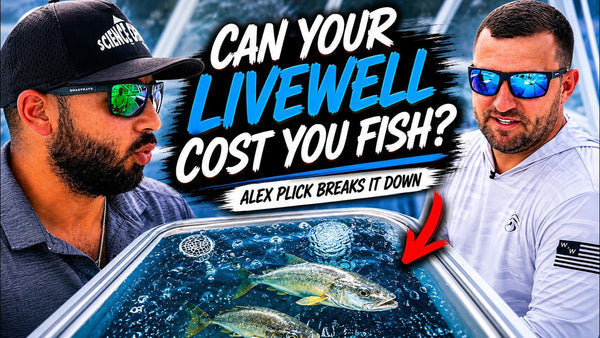
Can Your Livewell Cost You Fish? Alex Plick on Pressurized Livewells and Sailfish Bait
Alex Plick of Wicked Wells on what actually happens inside a livewell when the sea turns ugly: why...
Jun 9, 2026 -
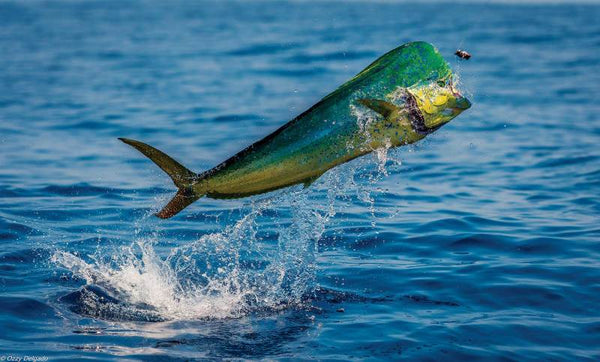
The Mahi Spread: How Four Captains Read Open Water
Four offshore captains, four different reads of the same blue water. The decisions behind a mahi trolling spread...
Jun 9, 2026 -
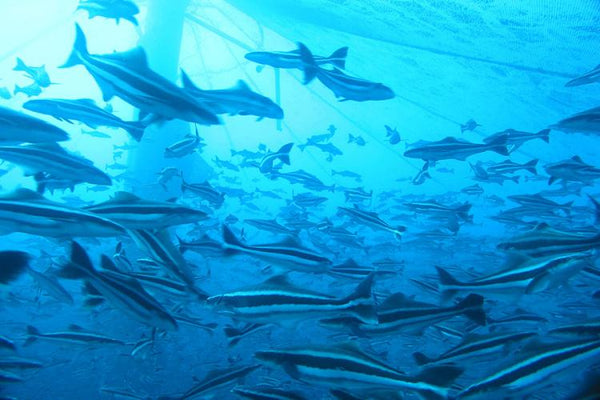
Cobia on the Move: Reading the June Migration from Chesapeake to Hatteras
June puts cobia on the move from the mid-Atlantic to the Chesapeake. The science behind the run, the...
Jun 9, 2026
Related